Room one
Radon · CO₂ · PM2.5 · VOC · temperature · humidity · pressure
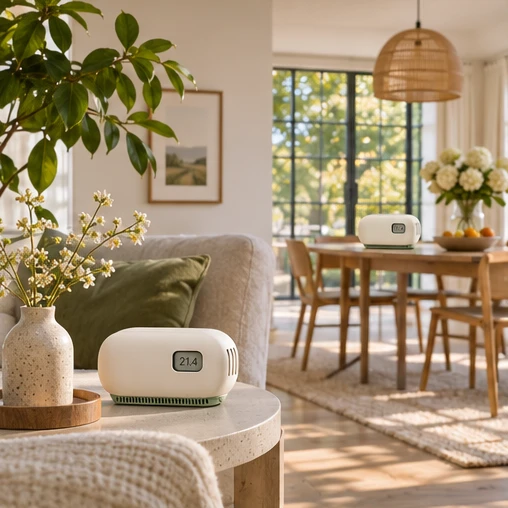
Two-room kit
Place one Forma Seven downstairs and one upstairs to compare the two rooms in one view. Each instrument has a place in the kit. Use the placement guide below to decide where to start.
Inside the kit
Kit configuration
Radon · CO₂ · PM2.5 · VOC · temperature · humidity · pressure
Radon · CO₂ · PM2.5 · VOC · temperature · humidity · pressure
Two-room monitoring
A shared evening room and a quiet bedroom have different rhythms. Two identical instruments make it easy to compare the same channels in each space.
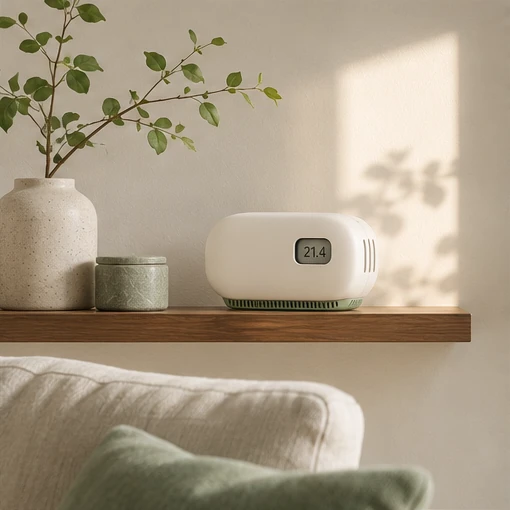
Position the pair
Place one instrument in the living area and the second in a bedroom. Give each room its own name so the histories are easy to compare.
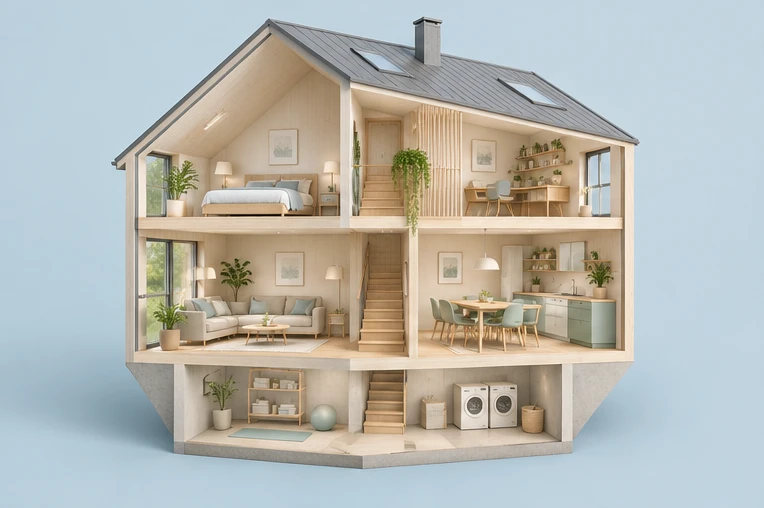
Placement guide
Start with the space where the reading will mean the most to you.
Use a distinct label for each monitor so you can tell their records apart.
Return to the same day or week and review how the two spaces were used.
Companion app
Try the time ranges on this example room record.
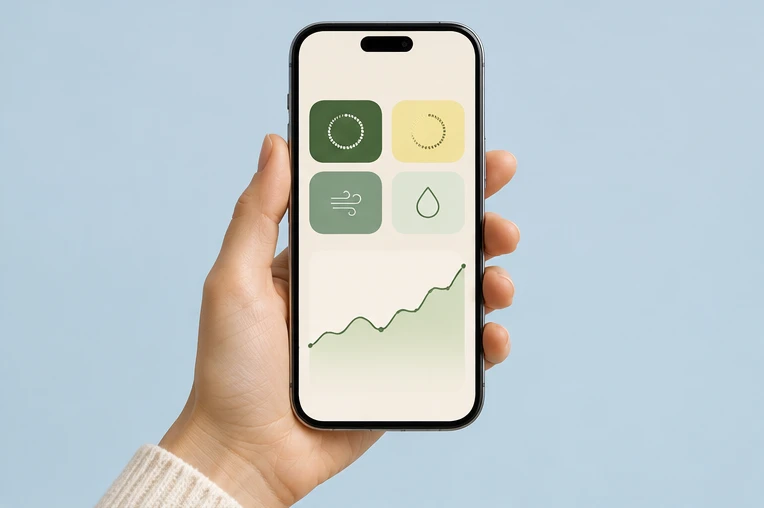
Around the home
See how the room changes around everyday activity.
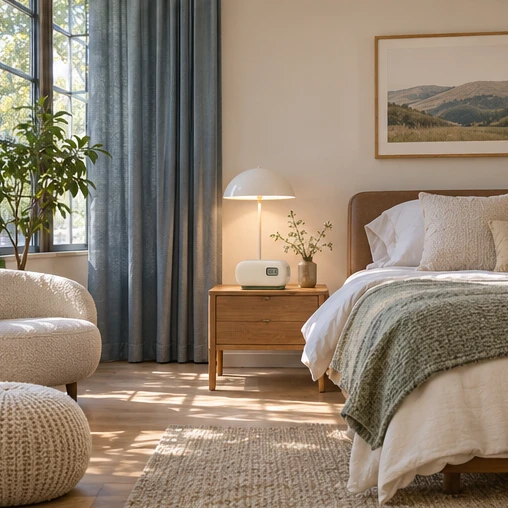
Compare evening conditions with the following morning.
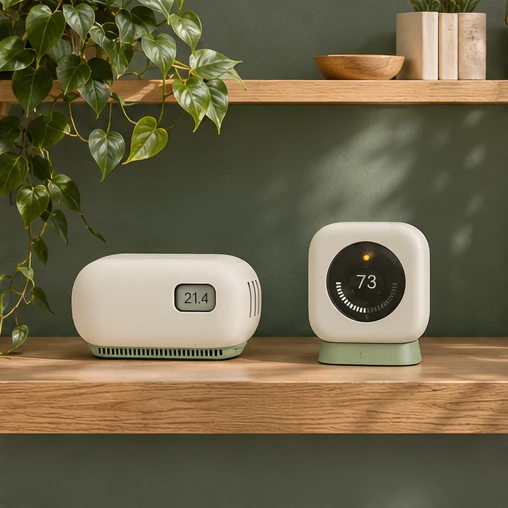
Use the same position for a longer observation.
A closed bedroom and a shared living space may follow different daily routines. Separate instruments preserve the history of each position so the same period can be reviewed without moving a single device back and forth.
Decide which questions the first and second instruments answer before placing either one.
Use room names that another person can identify when reviewing the history.
Choose matching dates and include any differences in occupancy or room routine.
A complete deployment brief includes locations, setup notes and the person responsible for the review. Keep that information with the selected models so a colleague or customer can follow the configuration later.
Product support
Two Forma Seven monitors. Each instrument is assigned to its own position in the room plan.
A stable instrument preserves the history of its own location. Compare matching channels over the same period without moving a single device between rooms.
Use a distinct name that another person can identify, such as Living room or Lower-level study. Keep the device identifier with that label.
The spaces may have different activity, ventilation routines and room conditions. Keep that context with the same comparison dates.
Place one instrument in the living area and the second in a bedroom. Give each room its own name so the histories are easy to compare.
Keep the model, device identity, room name, position and setup date. Record any interruption or move during the review period.
Add the required models and estimated quantities to the same inquiry. Describe the number and type of spaces in the project requirements.
Select Request a quote, review the models and quantities, add the project details and submit. A demonstration confirmation appears on the page.
Illustrative portfolio specification. Confirm the production configuration and performance requirements with the supplier.
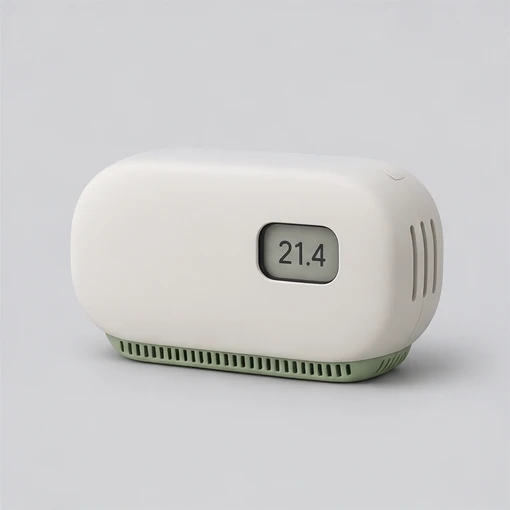
Seven sensing channels bring the room into focus, from carbon dioxide to airborne particles.
View details →